
What Home Management Really Costs Single Parents
— 6 min read
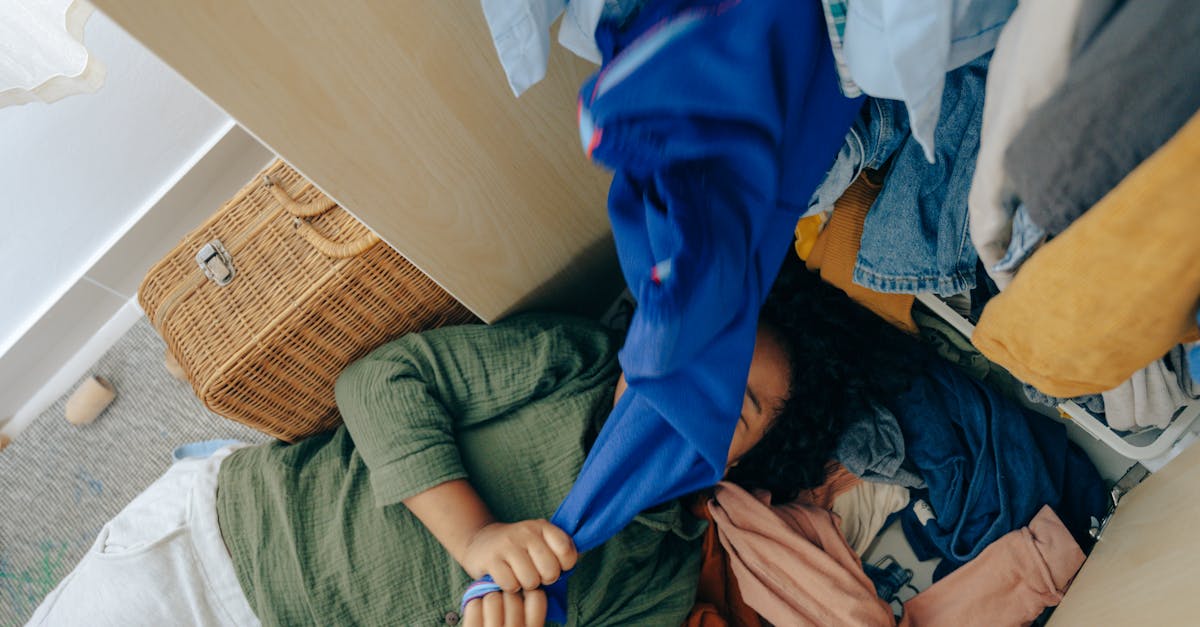
Decluttering a small home as a single parent is a doable mission, not a miracle. By tackling one area at a time and using kid-friendly storage, you can free up space, reduce stress, and boost family wellbeing.
When I first moved into a one-bedroom apartment with my two kids, the living room looked like a toy store after a holiday sale. I felt overwhelmed, but a systematic approach helped me turn that chaos into calm.
Why Single Parents Need a Decluttering Game Plan
2023 marked a surge in single-parent households, according to the U.S. Census, highlighting the growing need for efficient home management. Juggling work, school runs, and bedtime stories leaves little margin for endless tidying sessions.
In my experience, the mental load of clutter compounds everyday stress. A study in Mental Health Benefits of Cleaning and Decluttering reveal that tidy spaces can lower anxiety and improve focus - two assets any single parent craves.
Beyond mental health, organized homes save time and money. When everything has a place, you spend less time searching for items and avoid unnecessary purchases. I saved countless dollars by rediscovering toys hidden behind the couch instead of buying new ones.
Key Takeaways
- Decluttering reduces stress and improves focus.
- Room-by-room methods keep projects manageable.
- Kid-friendly storage encourages children to tidy.
- Quick clean-up routines preserve order daily.
- Small-space hacks maximize limited square footage.
To make the process realistic, I broke it into bite-size goals: each weekend, I dedicated 30 minutes to a single zone. The momentum built quickly, turning a daunting overhaul into a series of satisfying wins.
Room-by-Room Declutter Strategies for Small Spaces
When space is at a premium, the layout of each room matters more than the amount of stuff you own. The Spruce outlines six room-by-room methods that I adapted for a one-bedroom floor plan.
Living Area: Start by removing items that don’t belong - outgrown toys, mismatched mugs, and stray paperwork. I set up three bins labeled Keep, Donate, and Trash. Within an hour, the couch regained its original shape and the floor was clear for a simple rug.
Next, I introduced vertical storage. Wall-mounted pegboards hold art supplies, while floating shelves display a curated selection of books. The vertical approach adds storage without eating floor space, a principle echoed by How to Declutter Your Home: 6 Best Room-by-Room Methods. By keeping only a few decorative pieces, the room feels airy and invites relaxation.
Kitchen: Small kitchens benefit from drawer dividers and clear containers. I repurposed a spice rack as a utensil organizer, and used stackable bins for pantry staples. Labeling each bin eliminates guesswork, allowing me to grab what I need in seconds - critical when juggling breakfast and school lunches.
Bedroom: Multi-functional furniture is a game-changer. A bed with built-in drawers stores out-of-season clothing, while a nightstand with a charging station reduces cord clutter. I installed a simple closet rod extender, doubling hanging space for kids’ jackets.
Bathroom: I swapped bulky shampoo bottles for refillable dispensers and mounted a tension rod under the sink to hang cleaning supplies. A small basket on the counter houses daily essentials, keeping counters clear for quick morning routines.
Home Office/Study Nook: For a single-parent household, a dedicated workspace is essential. I used a fold-down desk that tucks away when not in use, and a wall-mounted corkboard to track appointments and school notices. This keeps work-related items from spilling into family zones.
Each of these room-specific tweaks follows a common thread: reduce, reorganize, and elevate. The result is a home that feels larger, even when square footage stays the same.
Kid-Friendly Storage Hacks that Save Time
When children can see where things belong, they become allies in the decluttering mission. I’ve learned that simplicity and visibility are the keys to lasting habits.
Clear Bins and Labels: Transparent storage containers let kids see contents at a glance. I added colorful labels with pictures for younger children - think a sticker of a dinosaur on the bin for dinosaur toys. This visual cue reduces “where does it go?” questions.
Low-Height Shelves: Shelves placed within a child’s reach empower them to retrieve and return items independently. A set of five 12-inch cubbies in the playroom now holds blocks, puzzles, and art supplies. After each play session, my kids roll a small cart to the cubbies, turning cleanup into a game.
Rolling Carts: A three-tier rolling cart slides under the kitchen island, serving as a mobile snack station and art supply hub. When not in use, the cart tucks away, preserving floor space. Kids love pushing it, and the mobility makes it easy to move the cart for different activities.
Hanging Organizers: Over-the-door shoe organizers become perfect pockets for small toys, socks, or craft tools. I repurposed one on the bedroom door to store hair accessories and small handheld games. The pockets keep items separated, preventing the dreaded “toy avalanche.”
One-Touch Baskets: For quick pickups, I keep a basket at each exit. When the family leaves the house, everyone tosses coats, shoes, and backpacks into the basket. At the end of the day, a 5-minute sweep moves everything to its proper spot.
These hacks are low-cost, adaptable, and fit neatly into a single-parent budget. By involving kids in the process, I’ve turned what used to be a daily battle into a collaborative routine.
Maintaining Momentum: Quick Home Cleanups on a Tight Schedule
Even the best-planned declutter can slip without a maintenance routine. I rely on five-minute blitzes that fit between school drop-offs and work calls.
Morning 5-Minute Reset: Before the first cup of coffee, I walk through the kitchen, wiping counters and loading the dishwasher. A timer keeps me honest - if the timer rings, I move on to the next room.
After-Dinner Reset: Once plates are cleared, I set a 10-minute timer for a family “tidy-up sprint.” Everyone grabs a bin and puts away toys, books, and stray items. The short, shared effort prevents mess from accumulating.
Weekly 30-Minute Deep Dive: On Sunday evenings, I dedicate half an hour to a specific zone - rotating between the closet, pantry, and bathroom. I use the Keep/Donate/Trash system to prune items that have outlived their usefulness.
Seasonal Purge: Twice a year, I conduct a mini-inventory of clothing and toys. Items that haven’t been used in the past six months go to a donation bin. This practice keeps the home from becoming a storage graveyard.
To track progress, I keep a simple checklist on the fridge. Checking off each task provides a visual sense of accomplishment - a small win that fuels the next effort.
These routines require minimal time but deliver maximum impact, preserving the order I worked hard to create.
Comparison of Common Storage Solutions
| Solution | Cost | Space Saved | Kid-Friendly? |
|---|---|---|---|
| Clear Plastic Bins | Low | Moderate | Yes |
| Floating Shelves | Medium | High | Yes (with low placement) |
| Rolling Carts | Medium | Variable | Yes |
| Built-in Closet Extenders | High | Very High | No (adult install) |
Choosing the right mix depends on budget, space, and how involved your kids will be. My formula: start with low-cost clear bins, then layer in vertical solutions as the budget allows.
Conclusion: Turning Declutter into Daily Calm
Decluttering isn’t a one-time event; it’s a habit that, when cultivated, pays dividends in mental clarity, financial savings, and family harmony. As a single parent, I’ve learned that small, consistent actions - like a 5-minute morning reset or a clear-bin system - can reshape an entire home.
By following the room-by-room methods, integrating kid-friendly storage, and committing to quick daily cleanups, you’ll create a living environment that supports productivity and peace. The journey may start with a single box, but the ripple effect reaches every aspect of family life.
Frequently Asked Questions
Q: How much time should a single parent realistically allocate to decluttering each week?
A: I recommend 30 minutes on a weekend and two 5-minute blitzes on weekdays - one in the morning and one after dinner. This schedule fits around work and school commitments while keeping clutter from building up.
Q: What are the most budget-friendly storage options for a small apartment?
A: Clear plastic bins, repurposed shoe organizers, and DIY pegboards are low-cost solutions that add vertical storage without sacrificing floor space. I started with dollar-store bins and saw immediate improvement.
Q: How can I involve my children in the decluttering process without causing power struggles?
A: Use clear bins with picture labels and turn cleanup into a timed game. Offering a small reward - like choosing the bedtime story - motivates kids to participate while keeping the process light.
Q: What is the best way to maintain organization during a busy school season?
A: Establish a nightly 10-minute reset that includes packing school bags, clearing desks, and putting away toys. Consistency prevents mess from snowballing and makes mornings smoother.
Q: Should I donate items immediately or keep a ‘maybe’ box for later?
A: I keep a small ‘maybe’ bin for items I’m unsure about, but I set a 30-day deadline. If nothing has changed, I donate the items - this prevents sentimental clutter from lingering indefinitely.