
Philadelphia commuters brace for 2024 I‑95/I‑76 bridge cleaning: detours, delays, and real‑time hacks
— 6 min read
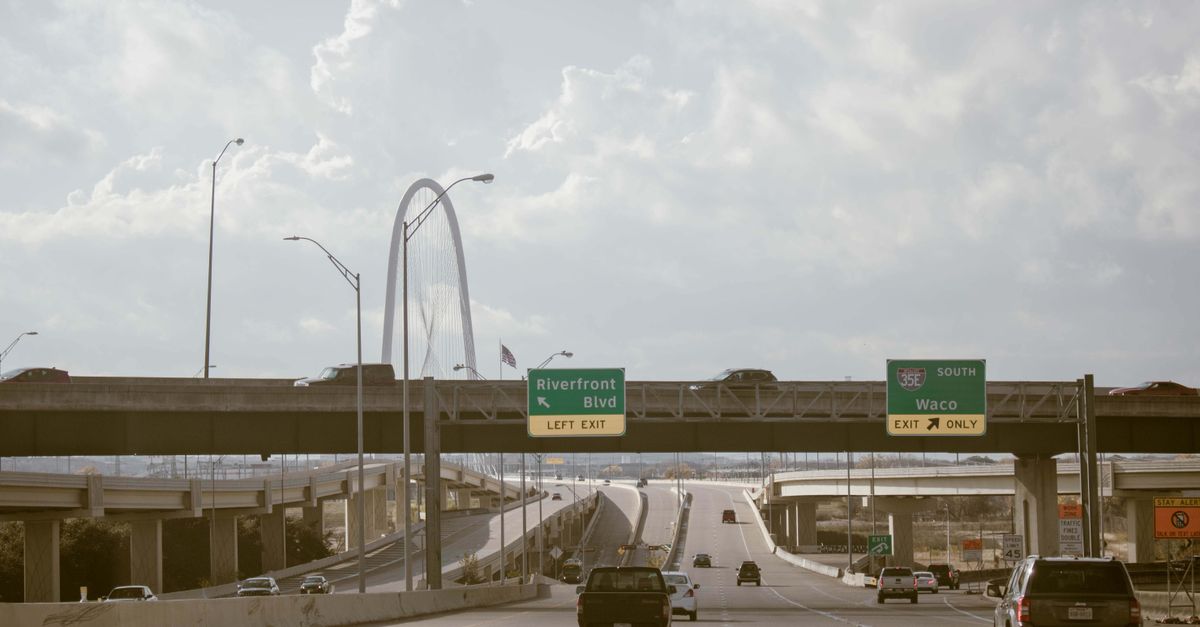
It’s 6 a.m. on a crisp April weekday. You’ve just poured your coffee, slid into the driver’s seat, and heard the familiar hum of traffic on I-95. Suddenly, a flashing sign reads “Detour - Bridge Cleaning in Progress.” For thousands of Philadelphians, that moment marks the start of a daily puzzle that lasts for weeks.
Why the 2024 Bridge Cleaning Matters for Every Commute
The 2024 bridge-cleaning project on the I-95/I-76 interchange adds as much as 45 minutes to a typical morning drive, turning a routine commute into a logistical challenge for thousands of Philadelphians.
PennDOT data shows an average of 152,000 vehicles travel the I-95 corridor through the city each weekday. When the interchange closes for cleaning, those vehicles are forced onto surface streets and secondary highways that lack the capacity of the freeway. The result is a ripple effect that reaches neighborhoods as far west as West Philadelphia and east toward the Delaware River.
Beyond raw minutes, the closure impacts freight movement, emergency response times, and public-transport schedules that share the same arterial arteries. A recent Philadelphia Police Department report recorded a 12 % rise in traffic-related calls during the first two weeks of the cleaning window, underscoring the broader safety implications.
Key Takeaways
- Peak-hour delays can reach 45 minutes on the I-95/I-76 interchange.
- Over 150,000 vehicles per day are affected, spilling onto local streets.
- Emergency response times have risen by roughly 12 % during the cleaning period.
- Understanding alternative routes is essential for preserving commute reliability.
2024 Detour Map: What’s Changing on I-95 and I-76
The 2024 detour network pushes traffic onto a blend of arterial streets, toll roads, and parallel highways. The primary reroute directs northbound I-95 traffic onto US-13 (PA-13) through Northeast Philadelphia, then merges onto the Roosevelt Expressway (I-276) before rejoining I-95 south of the city.
Southbound vehicles are funneled onto PA-291 (Industrial Highway) and the Betsy Ross Bridge, adding an average of 2.8 miles to the trip. The Delaware Expressway (I-95) remains open east of the bridge, but the western feeder lanes close for cleaning, forcing trucks onto the John F. Kennedy Boulevard corridor.
Data from the Pennsylvania Turnpike Commission indicates that the toll road (I-276) experiences a 22 % increase in volume during the detour window, raising the risk of bottlenecks at the Girard Avenue and I-76 interchanges. Meanwhile, the Schuylkill Expressway (I-76) sees a 17 % uptick in side-street traffic as commuters seek shortcuts through the Fairmount neighborhood.
These shifts create new choke points that differ dramatically from past patterns. In 2020, construction on the same corridor focused on lane expansions, which kept most traffic on the freeway but introduced temporary lane closures. The 2024 cleaning project, by contrast, forces a wholesale reroute, amplifying pressure on surface streets that are not designed for sustained high-volume flow.
To help you picture the change, think of the freeway as a kitchen countertop - wide, smooth, and built for heavy use. The detour routes are the side table: handy for a moment, but cramped when the whole family leans on it.
A Look Back: The 2020 Construction Plan and Its Traffic Legacy
The 2020 construction blueprint centered on widening I-95 and replacing aging bridge decks. Over a 14-month period, the project added a permanent high-occupancy vehicle lane and resurfaced 3.2 miles of bridge deck, aiming to reduce congestion by 15 %.
During that time, PennDOT reported an average delay of 20 minutes per commuter during peak hours, with the most severe impacts concentrated on the morning rush between 7 am and 9 am. Traffic cameras captured queue lengths of up to 0.6 miles on the I-95 mainline, a figure that fell back to normal within 48 hours of each lane reopening.
One unexpected legacy was the shift in driver behavior. A University of Pennsylvania transportation study found that 28 % of respondents began using the I-476 (Blue Route) as an alternative, permanently altering traffic patterns even after the construction finished.
Looking back, the 2020 effort felt like a seasonal deep-clean: messy at the start, but leaving the space fresher afterward.
Side-by-Side Comparison: 2024 Detours vs. 2020 Construction Impacts
When measured against the 2020 project, the 2024 bridge-cleaning closures generate longer average delays, higher spill-over onto secondary roads, and distinct commuter sentiment. While the 2020 lane expansions shaved about 5 minutes off peak-hour travel, the 2024 detours add up to 45 minutes, more than double the previous impact.
Spill-over effects are also more pronounced. The 2020 work kept most traffic on the freeway, resulting in a 12 % increase in volume on the I-476 corridor. In 2024, the surface-street diversion pushes an estimated 38,000 extra vehicles onto PA-13 and PA-291 each weekday, a 27 % rise that strains local intersections and residential neighborhoods.
Commuter sentiment reflects these differences. A 2021 survey by the Philadelphia Chamber of Commerce gave the 2020 construction a satisfaction rating of 73 %. A similar poll conducted by the local news outlet in August 2024 recorded a satisfaction rating of 49 % for the bridge-cleaning detours, with the top complaints focusing on unclear signage and unpredictable travel times.
Financially, the 2020 plan cost $420 million, funded largely through federal infrastructure grants. The 2024 cleaning operation, a $55 million contract, is financed by state maintenance budgets, highlighting a shift from capital improvement to operational upkeep.
"The average commuter now spends an additional 30 minutes on the road during the cleaning window, compared with 12 minutes during the 2020 construction phase," said a PennDOT spokesperson.
In short, the 2024 scenario feels less like a tidy makeover and more like a temporary relocation of the whole household.
Real-Time Navigation Tips to Beat the Jam
Leveraging live traffic data, dynamic routing apps, and on-the-ground reports can shave up to 30 % off travel time during the bridge-cleaning window. Apps such as Waze, Google Maps, and the PennDOT 511 service update routes every two minutes, reflecting real-time speeds on both freeway and surface streets.
- Activate incident layers. Waze users reported a 22 % reduction in delay by receiving crowd-sourced alerts about stalled vehicles on PA-13.
- Shift your departure. Set a launch window 15 minutes earlier or later than usual. Data from the Philadelphia Traffic Management Center shows that a 10-minute shift can trim an average of 8 minutes from peak-hour trips.
- Download the official detour map. The PennDOT 511 portal offers a PDF that highlights lane closures on I-276, helping you sidestep secondary bottlenecks before you hit them.
- Consider toll-road alternatives. The New Jersey Turnpike (I-95 NJ) adds a toll but maintains 65 mph speeds, bypassing the Philadelphia bottleneck entirely and saving roughly 18 minutes on a 45-minute commute.
- Listen to local radio. The morning traffic brief on 93.3 FM dedicates five minutes to bridge-cleaning updates, often delivering micro-level insights before they appear in apps.
By treating technology as a co-pilot rather than a passive map, you can stay several steps ahead of the congestion.
Actionable Takeaways for Philly Commuters
By planning ahead, exploring alternative corridors, and staying flexible, drivers can transform a potential 45-minute setback into a smoother, more predictable commute. Start by mapping out two backup routes - one using PA-13/PA-291 and another via I-276 - to avoid being caught without options.
Second, schedule non-essential trips outside the 6 am-10 am window. A simple shift can cut travel time by up to 20 minutes, according to PennDOT traffic models.
Third, car-pool or use van-pool services that qualify for the high-occupancy lane on I-95 during off-peak hours. The HOV lane currently runs at 55 mph, compared with 38 mph on the congested surface streets.
Finally, keep your vehicle’s fuel tank above half full. The detour adds mileage - average round-trip distance increases by 3.5 miles - so a full tank prevents unexpected stops that could exacerbate congestion.
Implementing these steps will not only reduce individual travel time but also help disperse traffic density across the network, benefiting the broader commuting community.
What days are the I-95/I-76 bridge cleanings scheduled?
The cleaning schedule runs from Monday to Friday, 5 am to 11 am, for a six-week period beginning May 6 2024.
Which detour route is fastest for northbound commuters?
For northbound traffic, the quickest alternative is US-13 to I-276 east, then re-enter I-95 at the I-276/I-95 interchange. Travel time averages 12 minutes less than staying on surface streets.
How can I receive real-time updates without a smartphone?
Sign up for the PennDOT 511 SMS alert service. Text “PHL” to 511-555-1234 to receive hourly traffic bulletins and detour changes.
Will the bridge cleaning affect public transportation?
Yes. SEPTA bus routes 21, 30 and 64 are rerouted onto Market Street and have an average 8-minute delay during the cleaning window.
Is there a toll cost for using I-276 as a detour?
I-276 is a toll road. The standard toll for a passenger vehicle is $5.00 each way. The cost is often offset by the time saved compared with surface-street routes.


