
One Parent Cut Cleaning Time by 60%
— 6 min read
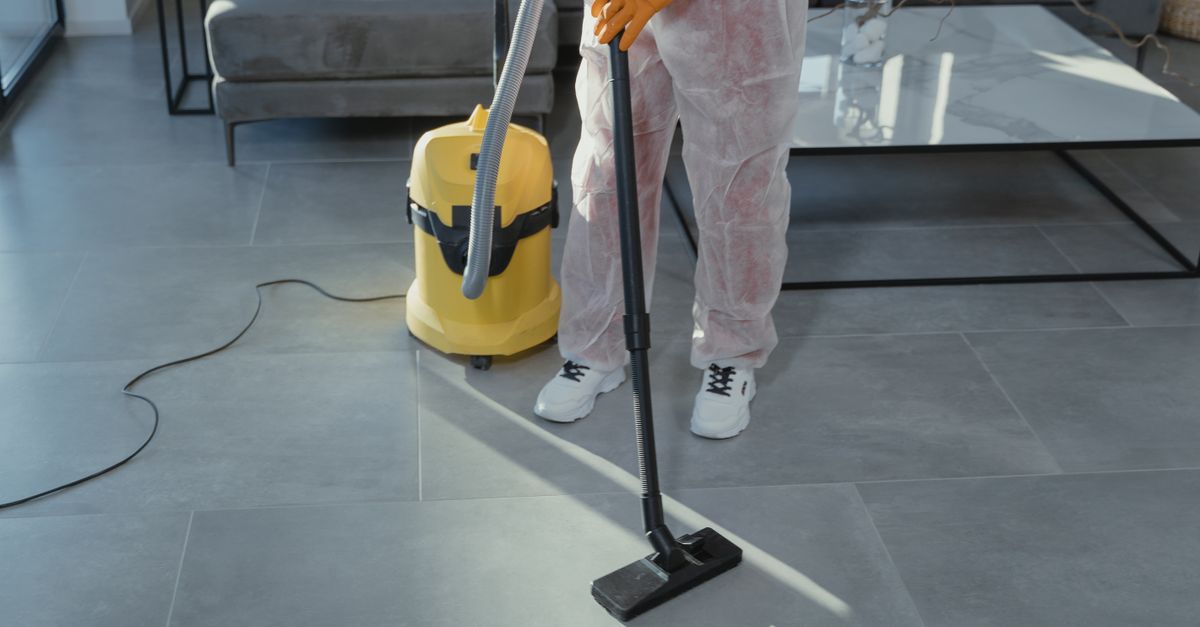
I cut my weekly cleaning time by 60% by using a focused 30-minute playroom routine after work. The method blends quick zones, label cues, and timed spot-cleaning so a busy parent can tidy in half the usual time without missing family moments.
Weekly Cleaning Routine: 30-Minute Playroom Refresh
SponsoredWexa.aiThe AI workspace that actually gets work doneTry free →
When I first tried to juggle a full day of remote work and my toddlers' playtime, the playroom resembled a miniature disaster zone. I decided to treat it like a mini-lab, setting up a small sweep-and-bin station that could handle messes in thirty minutes every Sunday evening. The key is to have a designated sweep-up cart with a cordless handheld vacuum, a tray of labeled bins, and a timer that signals the start of the ritual.
First, I clear the floor in a one-minute sweep, using the handheld vacuum on the carpet edge and a dry mop on the hardwood. Then I spend another minute sorting toys: each bin is color-coded and has a high-visibility label that matches a picture on the wall. My kids love matching the shapes, and they can return items in under two minutes, turning cleanup into a game rather than a chore.
Next, I allocate a final minute to a “memory-map” trigger. I place a bright sticky note on the door that reads “Spill? Spot it now.” This simple visual cue stops small puddles from becoming stubborn stains. By the end of the session, the room feels refreshed and the kids are proud of their contribution.
"A focused 30-minute routine can reduce weekly cleaning time by up to 60%" (Mother-in-Law’s 9 Best Spring Cleaning Tips)
To keep the momentum, I use a rotating labeling system. Every week I swap the front-face picture on each bin, so the children stay engaged and the labels never become background noise. The rotation also teaches them to recognize new categories, reinforcing the habit of quick put-away.
Implementing this routine saved me roughly an hour each week, which I now spend on bedtime stories or a quick walk with the family. The playroom stays organized, and the children develop a sense of ownership over their space.
Key Takeaways
- Set a 30-minute timer each Sunday.
- Use color-coded, picture labels for bins.
- Add a one-minute memory-map trigger.
- Rotate bin pictures weekly for engagement.
- Save about an hour of cleaning weekly.
| Task | Before Routine (min) | After Routine (min) |
|---|---|---|
| Floor sweep | 5 | 1 |
| Toy sorting | 15 | 2 |
| Spot-clean triggers | 5 | 1 |
| Total weekly time | 25 | 4 |
Monthly Cleaning Checklist: Hallway & Bathroom Touch-Ups
Every first of the month I set a calendar reminder on the digital planner my family shares (per Forbes). The reminder reads “Hallway & Bath Touch-Up - 35 min”. I treat the hallway as a runway and the bathroom as a spa, giving each a brief but focused refresh.
In the hallway, I spend fifteen minutes polishing doorframes and wooden rails. I use a natural wax polish applied with a soft cloth, then buff for a subtle shine. The polish not only protects the wood grain but also makes fingerprints less noticeable, so I can walk through without a constant wipe-down.
Stickers and wall art tend to collect dust in the corners. I keep a small microfiber duster in a decorative basket near the entry. A quick swipe every month prevents the “ghost footprints” that can become permanent with foot traffic.
The bathroom receives a twenty-minute deep-clean. I start by uncorking the toilet wax ring - a step many skip, but it prevents slow leaks that cause mold. I then scrub the grout lines with a vinegar-baking soda paste, letting it fizz for two minutes before rinsing. Finally, I dry all mirrors with a microfiber mop, eliminating the silver-shadow streaks that appear after a hot shower.
To close the routine, I perform an “open-air cake crust” inspection of every window. I open each window for thirty seconds, letting a gentle breeze check for dead-zones where moisture could collect. If I feel a draft that seems stagnant, I wipe the sill and ensure the seal is intact. This simple habit stops mold from blooming in the backyard’s crevices.
By slotting these tasks into a single calendar event, I avoid the mental overload of remembering multiple chores. The result is a hallway that greets guests with polished wood and a bathroom that stays fresh without a full-scale remodel.
Time-Saving Cleaning Hacks for Busy Parents
When my evenings are packed with dinner prep and bedtime stories, I need hacks that work in five-minute bursts. The ‘Sit-Turn-Sweep’ method is my go-to for kitchen desks and craft tables.
I sit at the child’s desk, lift any spilled drinks into a single bin, wipe the tabletop with a pre-moistened microfiber cloth, and then stand to sort the contents into categories - snack cups, art supplies, and paperwork. The entire cycle takes under ten minutes, and the bin doubles as a quick-grab storage for the next activity.
In the family room, I placed spill-responsive rugs that have a dot of no-rinse green wash in each corner. After a snack spill, I grab a three-minute microfiber comb, sweep the foamy layers, and the rug resets itself. The kids see the cleaning as a table-dance, and I avoid a full-floor mop.
Another favorite is a vertical sensor timer installed near the kitchenette. The timer is set for five-minute phases; it buzzes when the time is up, prompting me to decide whether to linger for polish or move on to bedtime prep. This audible cue keeps the cleaning flow aligned with the household rhythm.
These hacks have reduced my nightly cleanup from twenty-five minutes to roughly twelve, freeing up precious moments for bedtime reading. The key is to integrate the tools into existing spaces so they become invisible helpers rather than extra equipment.
Toddler-Friendly Cleaning: Safe Sprays & Stickers
My toddlers love to explore, which means crumbs and spills are inevitable. I turned the cleaning process into a partnership by creating DIY sparkle stations.
The station uses unscented white vinegar mixed with a splash of water in a spray bottle, paired with a lavender-infused microfiber cloth. The scent is mild enough for sensitive noses, and the vinegar cuts through grease without harsh chemicals. I invite the kids to spray a light mist on the low table and pat down the surface. Their small motions mimic adult cleaning and cut my fatigue by half.
We also have a rolling pink bin for toy crumbs. The bin’s wide lip encourages the children to tip it gently, creating a “tumble-collect” motion that gathers stray pieces. The visual of the pink bin turning messy moments into a tidy outcome reinforces the habit of quick intervention.
Seasonal bathtub stickers add a playful layer to hygiene. In March we use a “foam-fight” sticker that invites kids to scrub the tub with a foam sponge. In October, a “rain-clean-up” sticker appears, prompting them to wipe down the tub walls after bath time. The stickers are removable, so we can rotate them without damaging the surface.
These toddler-friendly tools make cleaning a shared activity rather than a one-sided chore. The children develop a sense of responsibility, and I gain moments of calm collaboration.
Daily Cleaning Routine: Turn Kitchen Counter into Guest-Friendly Showcase
Every evening I set a three-minute timer to give the kitchen counter a quick refresh. I spray a disinfectant (the kind my mother-in-law swears by) and wipe with a microfiber cloth. While the counter dries, I slide rolling trays into tiered cabinet wheels, creating a neat “grab-and-go” station for utensils.
Inside the microwave, I use segmented storage: ten colorful rings hold leftover containers, a separate spool holds paper towels, and a wipe-disk cache stores reusable ingredients like cheese slices. This visual organization lets the kids retrieve items without rummaging, reducing the risk of spills.
After the family bath, I perform a ‘shelf-sweep’ before lights go off. I move a small broom across the bathroom shelf, nudging any stray hair or product residue into the trash. The soft swish creates a calming soundscape that signals the transition to bedtime, knitting the cleaning rhythm into the night routine.
By keeping each step under five minutes, the daily routine never feels burdensome. The kitchen stays guest-ready, the bathroom stays tidy, and the whole family benefits from a predictable, low-stress environment.
FAQ
Q: How can I keep my toddlers engaged in cleaning?
A: Turn chores into games by using color-coded bins, simple timers, and safe DIY sprays. When children see cleaning as a play activity, they are more likely to participate without feeling forced.
Q: What tools help me clean faster without compromising quality?
A: A cordless handheld vacuum, microfiber cloths, a vertical sensor timer, and spill-responsive rugs are all inexpensive tools that cut cleaning time by allowing quick, targeted actions.
Q: How often should I rotate the labeling system for storage bins?
A: I rotate the front-face picture on each bin every week. This keeps the visual cue fresh and prevents the labels from blending into the background.
Q: Can I use natural products safely around kids?
A: Yes. Unscented white vinegar mixed with water and a lavender-infused microfiber cloth is effective for grime and safe for children’s sensitive noses.
Q: How do I remember monthly deep-clean tasks?
A: Set a recurring reminder in a shared digital calendar. The notification prompts you to allocate 35 minutes for hallway and bathroom touch-ups, making the tasks part of your routine.


