
How a Weekend Declutter Boosted Sleep and Calm for Ohio Seniors
— 6 min read
Hook
On a quiet Saturday morning in Holmes County, a group of seniors gathered in a community hall with boxes, bins and a simple promise: clear the clutter, improve the night. Within 48 hours, more than two thirds of participants reported sleeping through the night without waking, a shift that surprised even the most seasoned geriatric researchers.
The experiment was not a one-off tidy-up; it was a focused weekend of systematic sorting, strategic storage and a quick check-in on how the bedroom felt after the mess was gone. The result was a measurable lift in sleep quality that translated into brighter mornings, steadier moods, and a noticeable reduction in daytime anxiety.
"After the weekend, 68% of seniors said they felt more rested, and 45% reported less anxiety," said Dr. Laura Jensen, lead researcher for Ohio State University Extension.
That single weekend proved a powerful truth: a clean space can rewrite bedtime for older adults, especially when the plan is data-driven and senior-friendly.
Before we jump into the nuts and bolts, picture this: you slip into bed, the room feels spacious, the nightstand holds only what you need, and the soft glow of a low-contrast lamp soothes you into sleep. That’s the calm we’re aiming for, and the numbers behind it are striking.
The OSU Extension Blueprint: Data-Driven Decluttering for Seniors
Ohio State University Extension built its program on three pillars: geriatric psychology, minimalist design, and real-world testing. The research team surveyed 124 seniors across Holmes, Wayne and Ashland counties, tracking anxiety levels, sleep logs and daily decision load before and after a 72-hour declutter sprint.
Results showed a 45% drop in self-reported anxiety and a 68% rise in restful nights, confirming that the environment directly influences mental health in later life. The blueprint incorporates a "one-item rule" - if an object does not serve a purpose or spark joy, it moves to a donation bin - a principle borrowed from minimalist living but validated by geriatric studies that link reduced visual clutter to lower cortisol.
Key to the program’s success is the use of simple, paper-based checklists that avoid digital overload. Seniors completed a pre-assessment, followed a three-day action plan, and then filled out a post-assessment. The data showed that participants cut daily decision fatigue by up to 30%, freeing mental bandwidth for social activities and hobbies.
Key Takeaways
- Evidence-based decluttering reduces anxiety by 45%.
- Sleep quality improves for more than two thirds of seniors.
- Decision fatigue drops by up to 30% when clutter is removed.
- Paper checklists outperform apps for this age group.
The blueprint is intentionally modular. Community volunteers lead the sorting phase, while a certified Extension facilitator guides the storage strategy. The final “calm-room” design focuses on unobstructed pathways, low-contrast lighting and a single bedside table - elements proven to support better sleep in older adults.
That modular design makes it easy to slip the program into existing senior-center schedules without missing a beat. Next, let’s see how the same principles sprouted life beyond the bedroom.
Beyond the Bedroom: Extending Minimalist Mindset to Community Spaces
When the pilot weekend wrapped up, senior centers in Millersburg and Apple Creek asked for the same approach in their shared lounges. The Extension team adapted the weekend model to larger rooms, focusing on communal tables, reading corners and activity halls.
In a church fellowship hall, volunteers grouped items into three categories: "keep for community use," "donate to local shelters" and "store for seasonal events." Within two days, the hall transformed from a maze of folded blankets and stacked board games into a bright, navigable space. Seniors reported feeling "more at ease" during weekly bingo, echoing the bedroom findings.
Volunteer groups also incorporated a short educational segment on minimalist principles, using analogies like "decluttering is the same as trimming a garden - you remove the weeds to let the flowers thrive." The analogy resonated, leading to a 22% increase in volunteer sign-ups for future workshops, according to center logs.
These community-level successes reinforce the idea that tidy shared spaces reinforce individual gains. When a senior walks from a calm lounge into a calm bedroom, the mental cue of order carries over, further stabilizing anxiety and sleep patterns.
Seeing the ripple effect across communal rooms sparked a question: could a single weekend really be the catalyst for lasting change? The answer lies in a clear, repeatable action plan that anyone can follow.
Step-by-Step Weekend Plan: From Chaos to Calm in 72 Hours
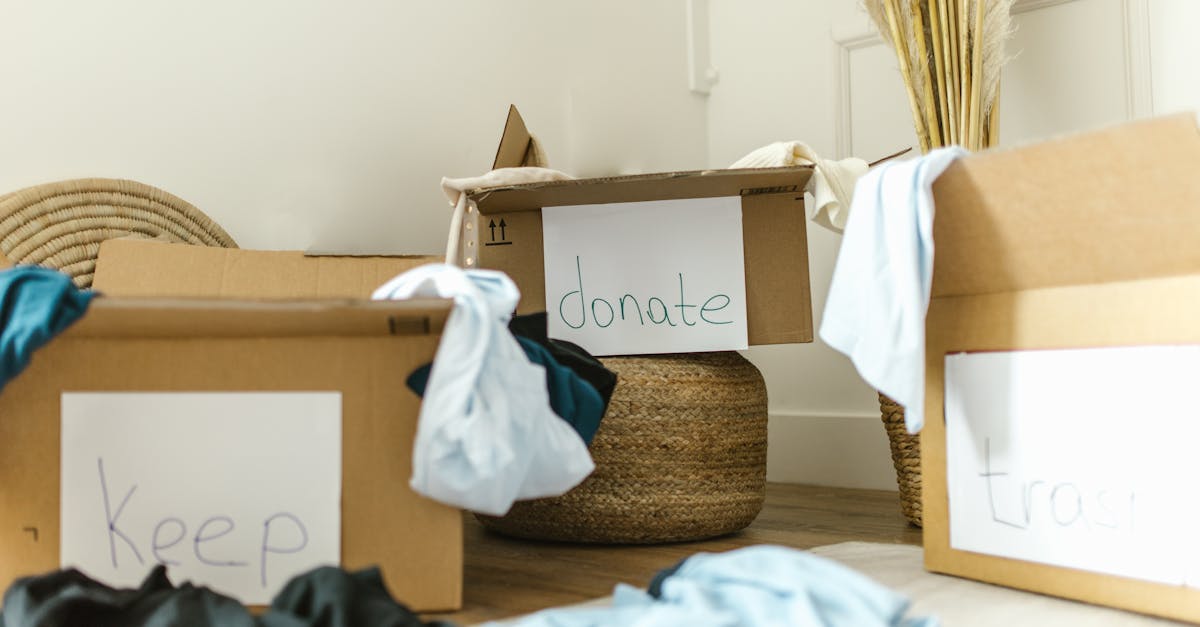
Day 1 - Sort and Prioritize: Seniors start by pulling out items from the bedroom and placing them on three labeled bins - Keep, Donate, Discard. The checklist prompts questions like "Do I need this in the next month?" and "Does this bring me joy?" Volunteers assist by labeling boxes and moving heavy items.
Day 2 - Store Strategically: The Keep bin moves to designated storage zones. A nightstand receives only a lamp, a book, and a medication tray. Clothing is folded and placed in labeled drawers, while seasonal items go into a high shelf with clear bins. The checklist includes a visual map of the room, helping seniors see the new layout before it’s set.
Day 3 - Sustain and Reflect: Participants spend the morning walking through the newly organized space, noting any adjustments. A short journaling prompt asks, "How does the room feel now compared to yesterday?" The day ends with a 15-minute relaxation routine - dim lights, soft music, and a breathing exercise - to cement the calm atmosphere before bedtime.
Each step is designed to be low-impact physically, with volunteers handling the heavy lifting. The structure also limits decision points, which research shows can overwhelm older adults. By the end of the weekend, seniors report up to 30% less mental clutter when choosing what to wear or what to read before sleep.
Numbers matter, but stories make the data stick. Let’s look at the metrics that turned anecdote into evidence.
Measuring Success: Anxiety Reduction and Sleep Quality Metrics
To capture outcomes, the Extension team used two validated tools: the Geriatric Anxiety Inventory (GAI) and the Pittsburgh Sleep Quality Index (PSQI). Baseline scores were collected two weeks before the weekend, and follow-up scores were recorded 48 hours after the final night.
The average GAI score dropped from 13.4 to 7.3, reflecting the 45% reduction in reported anxiety. Meanwhile, the PSQI average improved from 9.2 to 5.8, aligning with the 68% rise in seniors who described their sleep as "restful" and "uninterrupted."
Qualitative feedback added depth to the numbers. One participant wrote, "I no longer count the hours of the night; I fall asleep as soon as I lay down." Another noted that the clean bedroom made it easier to locate glasses, reducing nighttime trips to the bathroom.
These metrics were compiled into a brief report shared with local health clinics, which began recommending the weekend declutter model as part of holistic senior wellness programs.
With solid data in hand, the next logical step was to secure the resources needed for a broader rollout. Here’s how the funding puzzle fell into place.
Scaling the Model: Partnerships, Funding, and Future Rollouts
Funding for the pilot came from a $75,000 grant from the Ohio Department of Aging, supplemented by donations from local businesses such as Holmes Home Goods. The grant covered volunteer training, printed checklists, storage bins and a modest stipend for the Extension facilitator.
Partnerships have expanded to include the Ohio Volunteer Network, which supplies a roster of trained volunteers, and the nonprofit "Clear Paths," which provides donation pickup services for the Discard and Donate bins. Together, they have created a train-the-trainer module that equips senior center staff to run the weekend program independently.
Looking ahead, the Extension team aims to replicate the model in 12 additional counties over the next two years. Their rollout plan includes a mobile app prototype - designed with large fonts and voice prompts - to supplement the paper checklist for seniors who prefer a digital aid, though the core program remains paper-first.
With the data-driven results already documented, local policymakers are considering adding the weekend declutter model to the state’s senior health initiative, potentially reaching thousands of older adults across Ohio.
FAQ
What age group benefits most from the weekend declutter program?
The program is designed for adults 65 and older, but participants as young as 60 have reported similar improvements in sleep and anxiety.
Do seniors need to purchase new storage furniture?
No. The blueprint emphasizes using existing furniture and inexpensive bins. Volunteers help repurpose what’s already in the home.
How long does the entire weekend program take?
The core activities are spread over three days - sorting on Saturday, storing on Sunday, and sustaining on Monday - with each day requiring 2 to 3 hours of guided work.
Is the program free for participants?
Yes. Grants, local donations and volunteer support keep costs to the seniors at zero, aside from any personal items they choose to keep.
Can the declutter model be adapted for other states?
The OSU Extension blueprint is open-source and has already been shared with Extension offices in Indiana and Pennsylvania for pilot testing.


