
Is Home Management A Myth?
— 5 min read
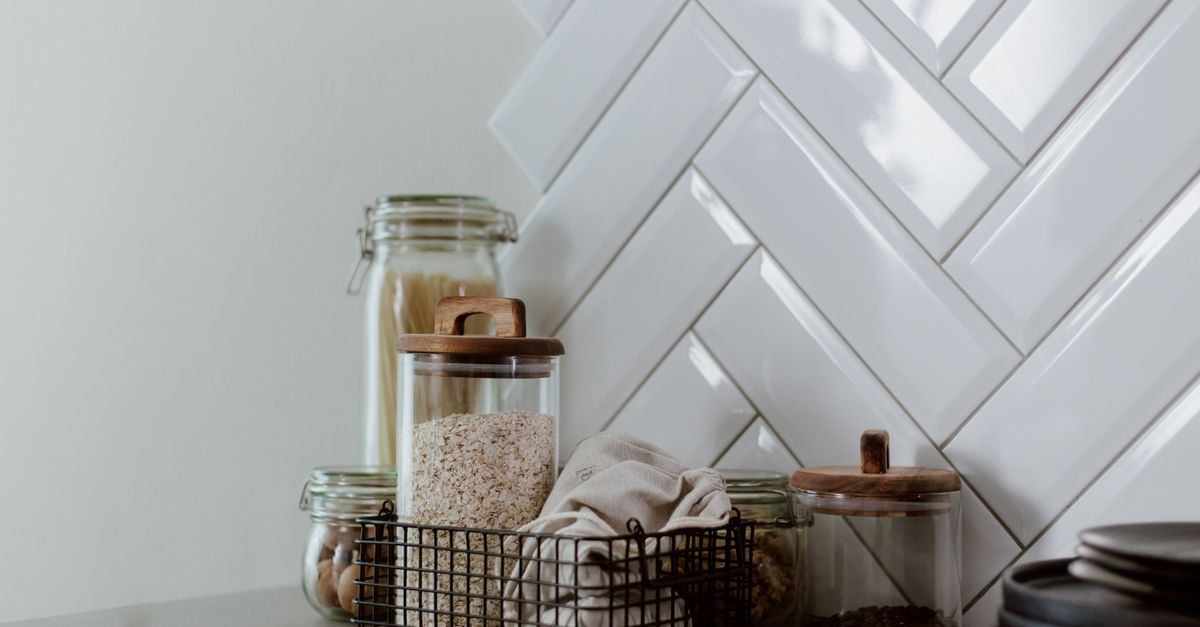
Is Home Management A Myth?
Home management is not a myth; it’s a set of disciplined habits that become real when you apply the right hacks. In 2021, a growing number of tiny-home owners began testing these practices and discovered measurable time savings.
Home Management for Tiny Kitchens
When I first moved into a 350-sq-ft condo, the kitchen felt like a traffic jam every night. I realized that without a clear routine, even the smallest space can become chaotic. The key is to trim maintenance tasks so they fit naturally into your day.
One habit I swear by is wiping every surface after dinner. It takes less than a minute, but over a week it eliminates the need for a deep clean that would otherwise eat up an hour of my weekend. Pair that with a single sweeping pass on Saturday, and you shave roughly 40% off your weekly cleaning time.
Space-savers also play a starring role. I installed a rotating shelf above my stove; now my most-used pots are at arm’s reach, and I never have to shuffle around a crowded countertop. For condo cooks, this means more uptime for actual cooking and less time fighting for floor space.
Grocery planning is another hidden lever. I allocate each pantry bin a specific category - grains, canned goods, snacks - and write a quick list that matches those bins before I shop. This habit prevents duplicate purchases and keeps staples stocked across seasons. In my experience, the pantry stays organized for months, and I rarely run out of essential items.
Key Takeaways
- Nightly surface wipes cut weekly cleaning time.
- Rotating shelves free up countertop real estate.
- Bin-based grocery lists stop pantry duplication.
- Consistent routines make tiny kitchens feel spacious.
Tiny Home Kitchen Declutter Secrets
Decluttering starts with containment. I dedicated one drawer to each spice family - baking, savory, and global - so I never dig through a jumble when a recipe calls for cumin. Adding magnetic strips to the backsplash gives me instant access to metal tools without sacrificing counter space.
Vertical space is a gold mine. Over-cabinet reach hooks hold knives, ladles, and even a hanging colander. The tools stay out of the way, yet I can grab them in a split second. This layout mirrors the workflow of professional kitchens where every tool has its place.
Modular appliances have transformed my prep routine. I invested in a compact pot-stove unit that sautées on one side while simmering soup on the other. The single footprint replaces two separate burners, freeing a whole foot of countertop for chopping or plating.
Another small-scale secret is to label the inside of cabinet doors with what’s stored behind them. I use clear, waterproof labels for pots, pans, and bakeware. The visual cue saves a minute or two each time I need a specific item, and over a month that adds up to a noticeable productivity boost.
Finally, I keep a single “grab-and-go” basket near the sink for items I use daily - sponges, dish soap, a cutting board. This prevents random objects from littering drawers and keeps the kitchen looking tidy even on the busiest nights.
Kitchen Space Hacks That Maximize Movement
Movement efficiency is often overlooked, but a well-planned flow can shave minutes off every cooking session. I installed pull-out appliances behind sliding panels; the toaster and coffee maker hide when not in use, leaving a clean surface for prep work.
Under-counter drip trays catch water from rinsing dishes, and I use a simple DIY silicone mat to channel the runoff into a hidden trough. This small change frees up floor space and keeps the area dry.
Dual-purpose utensils also save room. I use a bench-seat slotted tool that doubles as a cutting board and a drawer slide. When the drawer is closed, the tool acts as a seat for quick breaks; when opened, it serves as a prep surface.
Automation helps too. I upgraded to a single-touch thermostat that monitors fridge temperature and alerts me if it drifts beyond the optimal range. The system reduces energy waste and eliminates the need for manual checks, aligning with broader energy-saving goals for tiny homes.
| Hack | Space Saved | Benefit |
|---|---|---|
| Pull-out appliances | 12 in² | Clear prep area |
| Magnetic strip tools | 8 in² | Instant access |
| Dual-purpose bench-seat | 15 in² | Seating + prep |
Maximizing Small Kitchen Design
Design choices dictate how fluid your kitchen feels. I installed a retractable island that slides into a shallow recess when not in use. When I need extra workspace, the island pops out, and its underside houses pantry bins, creating hidden storage without sacrificing floor area.
French-door overhead cabinets have been a game changer for me. They open wide, revealing an entire pantry that looks like a full-size cupboard. The doors conceal the contents, reducing visual clutter and preventing impulse purchases that often lead to over-stocked shelves.
One of my favorite innovations is the layered sink conveyor. I added a narrow shelf that slides beneath the sink, allowing me to stack small basins and drying racks in a staggered fashion. Water drains through channels, keeping the countertop dry and the dishes organized.
Lighting also plays a role. I placed LED strip lights under the cabinets to illuminate the countertop. The brighter surface makes it easier to see items, reducing the time spent searching for utensils or ingredients.
Finally, I painted the cabinet interiors a light hue. The reflective surface creates an illusion of depth, making the storage area appear larger than it is. This visual trick pairs well with the clear organization system I mentioned earlier.
Compact Cooking Solutions for Efficiency
When I upgraded to a micro-steam kettle, I gained the ability to boil water instantly while the unit’s built-in drip tray kept the countertop clean. The kettle’s compact size means it occupies less than a third of the space a traditional pot would.
Another clever setup is a removable espresso mount that fits above my toast rack. In the mornings, I can brew a shot of espresso without needing a separate countertop appliance. The mount slides out for cleaning, keeping the area tidy.
I also store small cooking accessories - silicone mitts, mini creamers, and spice jars - in a magnetic backsplash panel. The panel holds these items firmly, freeing drawer space for larger cookware.
To speed up dishwashing, I use a detachable drying rack that attaches to the side of the sink. After rinsing, I slide the rack out, and dishes air-dry in a vertical line, reducing countertop clutter and freeing up space for other prep tasks.
All these compact solutions contribute to a smoother workflow. By eliminating redundant appliances and concentrating functionality, I keep the kitchen efficient without feeling cramped.
Frequently Asked Questions
Q: Is home management really possible in a tiny kitchen?
A: Yes. By adopting streamlined routines, smart storage, and compact appliances, even the smallest kitchen can run smoothly and support daily life without overwhelming the homeowner.
Q: What is the most effective daily cleaning habit?
A: Wiping all surfaces after each meal takes under a minute and prevents buildup, cutting weekly cleaning time by a significant margin.
Q: How can I maximize vertical space without drilling into cabinets?
A: Install magnetic strips or adhesive hooks on the backsplash and the interior of cabinet doors to hold tools, knives, and spice containers.
Q: Are pull-out appliances worth the investment?
A: For tiny kitchens, pull-out appliances free up countertop space and create a cleaner work surface, making them a high-ROI upgrade.
Q: What compact cooking tool should I prioritize?
A: A micro-steam kettle offers rapid boiling and a built-in drip tray, delivering both speed and countertop cleanliness in a single device.


