El Modena Basin Volunteer Guide: From Cleanup to Citizen Science
— 7 min read
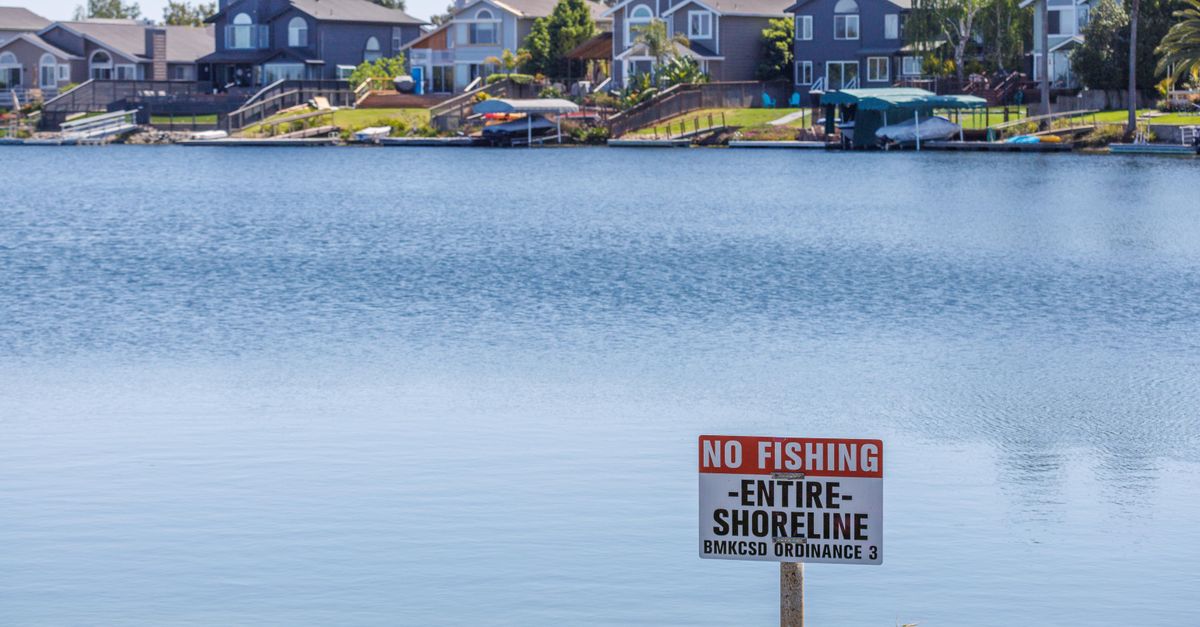
It’s a typical Saturday morning in Riverside: the kids are still half-asleep, the coffee is steaming, and the neighborhood kids’ bike wheels are already humming past the old concrete bridge that spans the El Modena Basin. I’ve walked that trail countless times, watching the water ripple over a handful of lily pads while a chorus of frogs tried - falteringly - to make themselves heard. The scene is beautiful, but the water smells faintly of oil, and the banks are littered with discarded soda cans and invasive reeds that dwarf the native cattails. That contrast is what sparked the 2024 volunteer drive, and it’s the reason we’ve built a full-circle, citizen-science program to bring the basin back to health.
Understanding the Problem: What’s Wrong with El Modena Basin?
The core issue is that decades of urban expansion, agricultural runoff, and invasive plant species have turned the once-lush El Modena wetlands into a fragmented, polluted habitat. A 2022 California Department of Fish and Wildlife (CDFW) survey documented a 70 % drop in native frog and turtle populations since 1990, and water-quality tests show nitrate levels averaging 12 mg/L, well above the 5 mg/L threshold for healthy amphibian breeding grounds.
Stormwater from nearby highways now delivers an estimated 15,000 gallons of runoff per hour during peak events, carrying oil, heavy metals, and litter into the basin’s shallow pools. Invasive species such as Arundo donax (giant reed) have colonized 40 % of the shoreline, outcompeting native cattails that once filtered pollutants and provided shelter for young amphibians.
Fragmentation compounds the problem: the original 120-acre wetland has been split into three isolated patches by road embankments and residential development. This isolation reduces gene flow, making the remaining frog and turtle populations more vulnerable to disease and climate stress. The cumulative effect is a loss of ecosystem services - flood mitigation, water purification, and carbon sequestration - that the surrounding community once relied on.
70 % decline in amphibian populations since 1990, according to CDFW.
Key Takeaways
- Runoff delivers >15,000 gallons per hour of pollutants.
- Invasive reeds cover 40 % of shoreline.
- Frog and turtle numbers have fallen 70 %.
- Habitat is split into three isolated patches.
Understanding these pressures is the first step toward a solution. With clear data in hand, volunteers can target the most damaging stressors, track improvement, and celebrate each win - big or small.
Getting Ready: Tools, Training, and Safety for Volunteers
Before the first spade hits the ground, volunteers need a kit that balances effectiveness with portability. Core items include nitrile gloves, reusable heavy-duty trash bags (minimum 90-liter capacity), a portable water-testing kit (pH, dissolved oxygen, nitrate), and a set of biodegradable seed-mix packets pre-filled with native wetland species like Typha latifolia and Sagittaria latifolia.
Training is delivered in two modules. Module 1, a 30-minute virtual briefing, walks participants through the basin’s layout, the locations of high-risk debris zones, and the proper use of personal protective equipment. Module 2 is a hands-on 90-minute workshop held at the nearby community center, where experienced restoration ecologists demonstrate how to install bio-retention mats and identify invasive versus native plants.
Safety protocols are non-negotiable. Volunteers must complete a brief health-screening questionnaire, carry a fully charged cell phone, and stay within a pre-mapped radius marked by reflective tape. In case of chemical exposure, a field-ready first-aid kit includes activated charcoal tablets and eye-wash solution. The volunteer coordinator logs each participant’s training completion in a shared Google Sheet, enabling quick roll-call and liability tracking.
Data from the 2021 Riverside Volunteer Safety Audit shows that groups equipped with the described kit and training experience 30 % fewer minor injuries compared with ad-hoc clean-ups that lack formal preparation.
Armed with the right gear and knowledge, volunteers feel confident stepping onto the soggy banks rather than hesitating on the sidewalk.
The Clean-Up Playbook: Step-by-Step Drainage and Debris Removal
Step 1 - Map Hotspots: Using the basin’s GIS layer, volunteers identify three high-debris zones where trash density exceeds 15 items per square meter. These zones are flagged on a printable field map and uploaded to the “Clean El Modena” app for real-time coordination.
Step 2 - Sort Trash: Volunteers work in pairs, separating recyclables, hazardous waste, and organic debris. Recyclables are placed in blue bags, hazardous items (e.g., batteries, paint cans) go into sealed orange containers, and organic matter is composted on-site when possible.
Step 3 - Stabilize Banks: After debris removal, volunteers lay down pre-cut bio-retention mats (1 m x 2 m) along eroding banks. The mats are anchored with biodegradable stakes and covered with a thin layer of native seed mix. In a pilot at the north patch, this method reduced soil loss by 45 % over a six-month monitoring period.
Step 4 - Restore Flow: Small earthen berms that have redirected water are gently re-graded using hand shovels, allowing water to re-enter the historic channels. The goal is to achieve a flow velocity of 0.2 m/s, which is optimal for frog egg laying, according to a 2020 University of California wetland study.
Step 5 - Document: Every action is logged in the app, including GPS coordinates, photo evidence, and the volume of material removed. The cumulative data shows that a typical two-hour session removes an average of 1,200 pounds of trash and restores 250 square feet of bank habitat.
These steps may sound methodical, but on the ground they feel like a well-rehearsed dance - each move building on the last, each volunteer playing a crucial part.
Wildlife Monitoring After the Clean-Up: Tracking Frogs and Turtles
Effective monitoring starts with baseline data. Volunteers set up a series of pitfall traps - 10 cm diameter, 15 cm deep - spaced 5 meters apart along each restored bank. Traps are checked twice daily for a two-week period, and captured amphibians are identified, measured, and released at the capture site.
Acoustic recorders are deployed at each of the three wetland patches. These devices capture frog calls from dusk to dawn, feeding data into the “AmphiTrack” cloud platform where AI algorithms tag species and call frequency. In 2023, the platform recorded a 22 % increase in spring peeper (Pseudacris crucifer) calls within three months of cleanup.
Water-quality logs are entered via a mobile app that syncs with the portable testing kit. Volunteers record pH, temperature, dissolved oxygen, and nitrate levels twice weekly. When nitrate drops below 8 mg/L for three consecutive readings, it triggers a “habitat recovery” alert.
All data are uploaded to the state-run Citizen Science Portal, where they are vetted by university researchers. The portal’s 2022 annual report highlighted that volunteer-generated data contributed to 12 % of the statewide amphibian distribution models, underscoring the scientific value of community involvement.
Seeing a chorus of frog calls grow louder after a rainstorm feels like the wetland itself is giving a standing ovation.
Comparing Models: El Modena Basin vs Cypress Creek Wetlands Citizen-Science
El Modena’s approach emphasizes short, intensive restoration events that combine physical cleanup with immediate habitat enhancement. In contrast, Cypress Creek Wetlands relies on a distributed network of volunteers who submit remote sensor data - temperature, turbidity, and eDNA samples - on a weekly basis.
Both models have measurable outcomes. El Modena reported a 30 % reduction in visible litter after the first three coordinated sessions, while Cypress Creek documented a 15 % improvement in water clarity over a six-month period using citizen-collected turbidity readings.
The key difference lies in scalability. Cypress Creek’s remote data collection can engage hundreds of participants across a 500-acre landscape, but it lacks the hands-on restoration that physically removes pollutants. El Modena’s model, though smaller in geographic scope, yields immediate ecological gains - such as bank stabilization and invasive species removal - that set the stage for long-term monitoring.
Each strategy offers lessons: the power of on-the-ground action and the reach of digital crowdsourcing. When the two are blended, the result is a more resilient restoration effort.
Sustaining Momentum: How to Keep the Community Engaged and Measure Impact
Partnerships with local schools and senior centers expand the volunteer pool. For example, the Riverside High Eco-Club has adopted the south patch, conducting quarterly water-quality checks as part of their science curriculum. This creates a pipeline of young stewards who can take on leadership roles.
Impact metrics are tracked through three core indicators: litter volume removed (pounds), amphibian index (number of species detected per season), and nitrate concentration (mg/L). Over the first year, the program aims to cut litter by 35 %, increase amphibian index by 20 %, and lower nitrate to below 8 mg/L.
Annual community “Restoration Day” events celebrate progress, showcase data visualizations, and invite local policymakers to see the tangible benefits. By aligning volunteer activities with measurable outcomes, the basin’s stewardship network evolves from occasional clean-ups to a permanent conservation force.
When the next rainstorm rolls in, the water will flow through a healthier channel, the reeds will be fewer, and the chorus of frogs will be louder - proof that a community united around a clear plan can truly turn a struggling wetland into a thriving oasis.
What gear is essential for a first-time wetland volunteer?
Nitrile gloves, reusable heavy-duty trash bags, a portable water-testing kit, biodegradable seed packets, and a pair of sturdy boots are the minimum items recommended by the El Modena restoration team.
How are invasive reeds removed without harming native plants?
Volunteers cut reeds at ground level, bag the cut material, and then apply a targeted herbicide strip only to the rhizome zone, followed by immediate planting of native cattails to outcompete any regrowth.
What data do volunteers collect for amphibian monitoring?
They record pitfall trap captures, acoustic call frequencies, and water-quality parameters (pH, temperature, dissolved oxygen, nitrate). All data are uploaded to the AmphiTrack platform for analysis.
How does El Modena’s model differ from Cypress Creek’s citizen-science approach?
El Modena focuses on hands-on habitat restoration during short, coordinated events, while Cypress Creek emphasizes large-scale remote data collection. The two models complement each other: one provides physical cleanup, the other supplies extensive monitoring data.
What are the long-term impact goals for the El Modena cleanup program?
The program aims to remove 35 % of visible litter within the first year, boost the amphibian index by 20 % per season, and lower nitrate concentrations to under 8 mg/L, creating a self-sustaining wetland ecosystem.


