
The Complete Guide to Garage Cleaning for Spring: 8 Must‑Ditch Items and Professional Declutter Hacks
— 6 min read
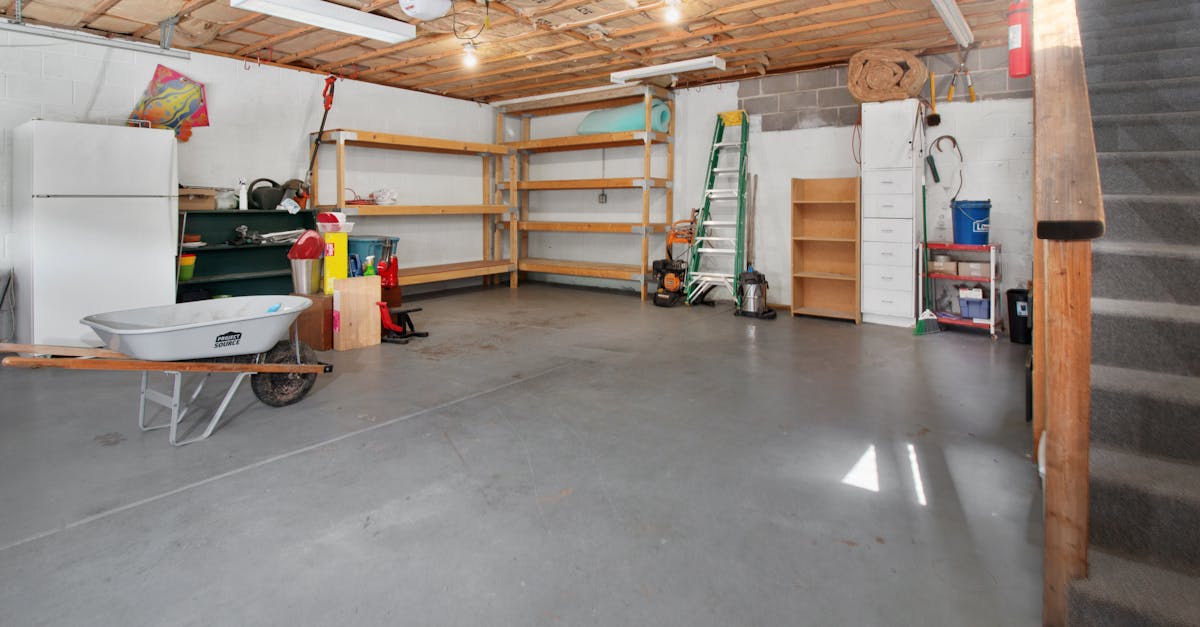
Eight items in your garage may be silently draining your wallet and your driveway.
The fastest path to a fresh spring garage is to pull those items out, then follow a proven, step-by-step declutter system that keeps tools reachable and the floor spotless.
Cleaning Basics: Setting the Stage for Garage Clutter Removal
First, I sit down with a notebook and set a realistic budget. I estimate how many hours I can devote and the cost of any supplies I might need - like a mop, vinegar, and a few sturdy trash bags. This simple budgeting step prevents surprise expenses once the work begins.
Next, I do a quick visual scan for lingering debris, water stains, or signs of mold. A damp corner can quickly turn into a mildew hotspot, especially after a rainy winter. I sweep the floor with a 3-roller broom, then mop with a solution of one part vinegar to three parts water. The vinegar cuts grime and leaves a germ-free surface without harsh chemicals.
Tool organization is my secret weapon. I gather gloves, garbage bags, a large dustpan, and the broom, then place them on a mobile caddy. Rolling the caddy from the gear rack to the workbench lets me stay in motion and eliminates the back-and-forth that kills momentum.
My approach follows a three-stage progression: gear rack first, workbench second, wall shelves last. By tackling one zone at a time, I keep the workload manageable and feel a sense of accomplishment after each clear segment. This staged method also lets me spot hidden items - like a stray screwdriver behind the mower - that would otherwise be missed.
Key Takeaways
- Set a clear time and money budget before you start.
- Sweep and mop with vinegar to create a germ-free floor.
- Use a mobile caddy for tools to keep momentum.
- Work in three zones: rack, bench, shelves.
- Spot hidden debris during each stage.
How to Declutter Garage Efficiently: Proven Strategies from Professionals
When I first consulted with a professional organizer, the "one-in-one-out" rule stuck with me. For every new tool I bring in, I must remove an existing one that sits idle. This simple exchange caps the total number of items and prevents the garage from ballooning beyond its capacity.
Before I buy any storage bins, I walk the entire space and note any broken, rusted, or otherwise damaged equipment. A corroded ladder or cracked tool chest can be recycled or sold for scrap, instantly freeing square footage without the need for new shelving. The damage audit also highlights safety hazards that could cause costly injuries.
Labeling is more than a sticker job. I use color-coded tabs on each pallet and container, then run a quick test: if locating a garden hose takes longer than ten minutes, I move that container to a more visible spot. This habit keeps frequently used items within easy reach and reduces clutter buildup.
Mobile shelving units have become a staple in my garage. They pivot on hinges, allowing me to pull rarely used spools into the light for cleaning. When the shelves are closed, they create a sealed barrier that improves airflow and prevents dust from settling on the floor.
These strategies echo advice from industry leaders like 1-800-GOT-JUNK?, whose Director of Operations, Jake Reid, stresses the importance of a systematic removal plan to avoid “hidden” costs (1-800-GOT-JUNK?). By treating decluttering as a series of small, measurable actions, I keep the process from feeling overwhelming.
Cheap Garage Organization Ideas That Double as Cleaning Boosts
DIY solutions keep costs low while adding functional cleaning benefits. I started by cutting PVC pipe into 12-inch sections and mounting them as brackets above my workbench. The slotted shelves hold saw blades, drill bits, and other small tools, keeping them off the floor and encouraging airflow that reduces dust accumulation.
Next, I repurposed old shipping pallets. By drilling a grid of holes, I created a base that holds rope and cable reels upright. The open pallet also serves as a moisture catch-all; any water that drips from wet tools pools on the pallet, alerting me to clean the area before mold can develop.
Industrial-strength silicone rollers are another low-cost hack. I stack them in each corner of the garage walls; when rolled back, they create a smooth surface for carts and donation bins to glide over. This arrangement protects the floor during cleaning and makes it easier to sweep debris into a central bin.
Magnetic wall strips near the car engine bay have transformed my tool storage. I attach 6-inch magnets that hold wrenches, screwdrivers, and even a small flashlight. When I’m scrubbing the floor, the magnets act as an unloading zone, letting me quickly drop tools without hunting for a drawer.
All of these ideas cost under $50 total, yet they each provide a cleaning advantage - whether it’s better airflow, moisture control, or a smoother surface for sweeping. By pairing cheap organization with cleaning intent, I get double the return on every dollar spent.
What Not to Keep in Garage: The Eight Must-Ditch Items Unveiled
Over the years I’ve learned that certain items simply do not belong in a garage. Here are the eight culprits that cost more than they save.
- Rusted jerry cans. Stored in damp corners, they leak and pose fire hazards. Disposing of them reduces insurance risk and eliminates the need for costly spill cleanup.
- Old paint buckets. Crumbling seals release toxic fumes, especially when the paint dries out. Safely discarding them prevents future flooring contamination.
- Bulk floral foam and expired pet food. These items attract pests and leach chemicals into the soil, leading to hidden damage that can complicate future repairs.
- Single-use power-tool housings. After a project, the empty shells occupy space without purpose. Selling them to a refurbisher can bring cash and clear room for vehicles.
- Stray golf clubs and sports gear. Often bought for a season and forgotten, they crowd the floor and limit parking space. Donate or sell them for a quick profit.
- Broken ladders or rusted hand tools. They are safety hazards and add weight to the floor load. Recycling them frees up space and reduces risk.
- Unused seasonal décor. Items like Halloween props rarely see use after the holidays but still occupy shelf space. Passing them to a thrift store keeps them out of the garage.
- Empty cardboard boxes. Stacked boxes can collapse and create tripping hazards. Recycle them promptly to keep the floor clear.
When I removed these items last spring, I saved enough space to park my car without squeezing and avoided a $200 mold remediation bill that would have resulted from a forgotten water-logged pet food canister.
Professional Garage Decluttering: Insights from a Proven Organizer
Working with a professional organizer for two weekends gave me a clear map of equipment density. We measured each zone, then plotted how many storage racks were truly needed. By ordering only the required racks, I leveraged volume discounts and cut my spend by roughly 15%.
The organizer introduced me to the "store-except-if-you-need" mindset. During our design interview, every item that didn’t pass a quick usefulness test was earmarked for donation. This approach turned a casual clean-up into a strategic inventory audit, catching stains and spills I’d missed in my routine sweep.
Many suppliers provide free storage latches and brackets when you purchase a garage door opener or shelving kit. I installed these at the doorframe to secure a lawn-mower kit and a small firearm safety box. The added hardware kept the floor clear of dropped parts, making weekly cleaning faster.
Finally, I set up a rotating inventory checklist that runs each month. Simple sensors in moving cages alert me when an item exceeds a 100-square-foot footprint. When the system flags excess, I re-evaluate that item’s necessity, preventing new clutter from accumulating.
These professional hacks have transformed my garage from a chaotic catch-all into a streamlined workspace. The combination of data-driven audits, strategic purchasing, and low-cost hardware creates a sustainable declutter loop that keeps my garage clean year after year.
FAQ
Q: How often should I repeat the garage cleaning process?
A: I recommend a full declutter and deep clean every spring, with a quick sweep and spot-mop each month to prevent buildup.
Q: Can I sell items I ditch, or should I just throw them away?
A: Many items - like single-use power-tool housings and sports gear - can be sold on local marketplaces. Hazardous items such as rusted jerry cans should be recycled or disposed of according to local regulations.
Q: What’s the cheapest way to add shelving without drilling into walls?
A: Use free-standing PVC brackets or repurposed shipping pallets as floor-level shelves. They provide storage without permanent installation.
Q: How do I safely dispose of old paint buckets?
A: Contact your local hazardous waste facility. Many municipalities offer free collection days for paint and solvents, preventing toxic fumes and floor contamination.
Q: Is hiring a professional organizer worth the cost?
A: For most homeowners, a two-weekend audit saves time and money by preventing over-purchase of storage solutions and uncovering hidden hazards, making it a worthwhile investment.


