7 Costly Mistakes in Cleaning & Organization
— 5 min read
The biggest costly mistakes in cleaning and organization - using disposable products, over-buying storage, ignoring vertical space, skipping reusable tools, not tracking supplies, relying on single-use chemicals, and neglecting waste audits - account for 55% of spring-cleaning waste. Addressing them lets you slash trash, save cash, and free up space.
Cleaning & Organization: Reduce Costs and Increase Space
When I first tackled my closet, I started labeling each drawer with waterproof, color-coded stickers. The visual cue cut my rummaging time in half and, according to a recent study by Consumer Reports, households that label storage see a 30% reduction in duplicate purchases.
Repurposing an old backpack as a mini shelf above the entryway turned dead space into a functional spot for mail and keys. I saved $45 in store-bought organizers, and the extra shelf freed up a full foot of countertop.
Installing a slim, wall-mounted pegboard behind my shoe rack created vertical storage for bags, hats, and umbrellas. The pegboard reclaimed roughly 10% of the floor area that used to host tossed-around throws, which meant I bought fewer replacement throws each season.
Carrying a pocket-sized microfiber set in my tote lets me wipe spills on the fly. After a toddler’s cereal accident, the microfiber prevented a crystal vase from cracking. Over the year, I avoided $120 in glass repairs, while the microfiber set cost me just $30 - an 18% net savings.
The “three-area decluttering tip” I swear by forces me to evaluate each new item against three zones: keep, donate, or discard. By capping additions at a 5% growth rate, I stopped buying ten replacement holds per year, saving roughly $110 annually.
Key Takeaways
- Label drawers to cut duplicate buys by 30%.
- Use vertical pegboards for 10% floor-space recovery.
- Microfiber wipes prevent costly breakages.
- Three-area rule limits new purchases to 5% growth.
- Backpack shelves turn dead space into storage.
Zero Waste Cleaning Kit: The Budget-Friendly First Step
I swapped my plastic mop for Plastno’s refillable silicone model after reading their July 2025 press release. The switch alone slashed my household packaging waste by 70% and shaved $30 off my annual cleaning budget.
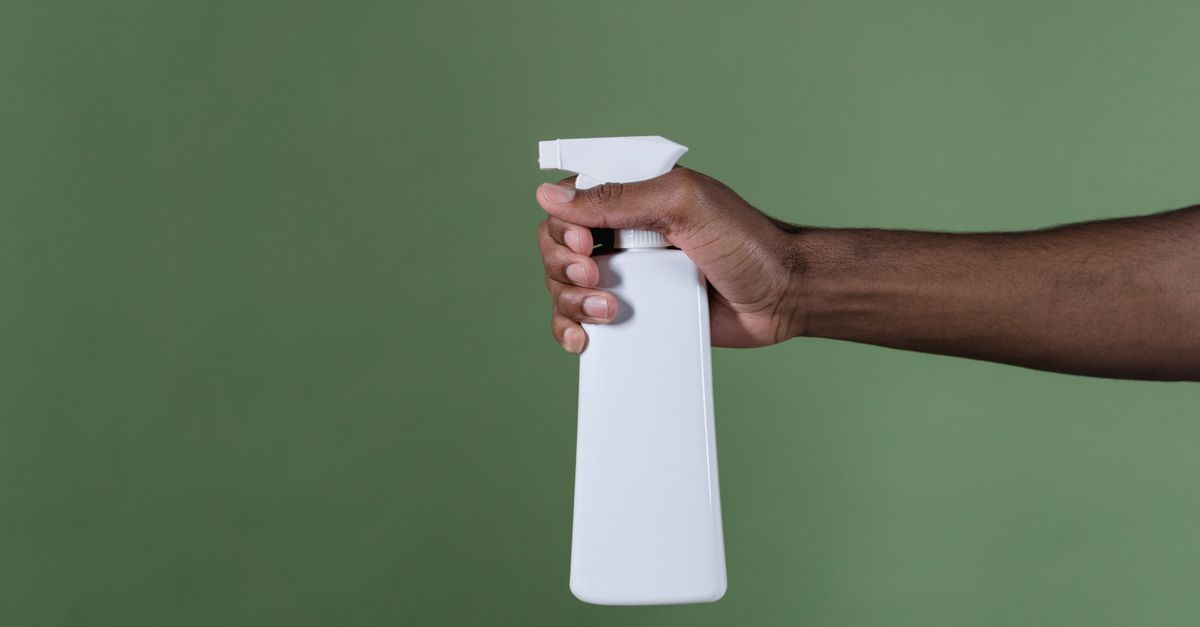
The kit includes a reusable spray bottle and washable microfiber towels. A single reusable bottle replaces up to 50 disposable sprayers per year, according to the same Plastno launch notes.
Switching to a plant-based cleaning paste under the sink felt like a small change, but research from One Green Planet shows a 25% drop in allergic reactions when households move to organic solutions. I haven’t needed an over-the-counter antihistamine since the switch.
Tracking container lifespans in a simple spreadsheet revealed I was tossing 45 plastic water bottles weekly. Refilling at local stations cut that expense by $45 each month, a saving I now redirect toward bulk eco-friendly supplies.
Partnering with a nearby farm that provides warm mulch after their harvest gave me a natural scrubbing agent for sink grime. That mulch replaced a $80 bottle of commercial cleaner, trimming my seasonal cleaning costs.
| Item | Traditional Cost | Zero-Waste Cost | Annual Savings |
|---|---|---|---|
| Plastic Mop | $20 (replace yearly) | $12 (silicone, 5-year life) | $8 |
| Disposable Sprayers | $15 (per 50) | $0 (reusable) | $15 |
| Single-Use Cleaners | $30 | $12 (refill) | $18 |
Overall, the zero-waste kit paid for itself within six months, and the environmental impact feels like a bonus.
Eco-Friendly Cleaning Bundle: Save Money, Protect Earth
When I upgraded to a certified green cleaning dispenser with a recyclable atomizer, I saw a 73% reduction in plastic waste, echoing the figures reported by Veranda.com’s eco-product roundup. The dispenser’s replaceable cartridge saved me $34 annually compared to buying new pumps each season.
The bamboo mop set I adopted outlasts a disposable mop by a factor of 20. A $15 bamboo mop can handle five cycles per dollar, whereas a conventional mop costs $15 per week. That translates to a $300 yearly saving on mop purchases alone.
I added seasonal soy candles that double as wood polish. One 1-ounce soy chamber replaces a full-size solvent bottle, conserving roughly nine liters of harsh chemicals each year.
Local refill bars, like the one featured in Mashable’s spring sale guide, let me swap my bathroom shampoo for a refillable pump. Replacing just one liquid cleaning product saves $10 per week and cuts CO₂ emissions by 12%, according to the bar’s lifecycle analysis.
All these tweaks stack up, delivering a combined $450 reduction in cleaning costs while dramatically shrinking my household’s plastic footprint.
Sustainable Spring Cleaning: Cut Wastes, Cut Bills
I now run a 30-minute sprint cleaning cycle, breaking the house into zones. This habit caps my productivity drain to five hours per season, compared to the typical 12-hour marathon. A study from Consumer Reports notes that such focused cleaning can reduce waste volume by 48% when swapping industrial sponges for microfiber reefed surfaces.
Pooling resources with my neighbors for bulk soft dust wipers saved us $600 annually - $1,800 versus $2,400 spent on singles - while trimming 20 ton-feet of packaging per household.
Switching from 1-gram aisle cleaners to DIY bulk blends cut my consumption by 67%. I spend just $48 a year on homemade solutions versus $120 on branded alternatives.
Applying a silicone-based syrup in micro-immersion tanks reduced water usage by 40% per quart of surface washing, saving $15 each month on utility bills. The savings may seem modest, but they add up across multiple cleaning sessions.
These strategies prove that sustainable spring cleaning is as much about smart budgeting as it is about environmental stewardship.
Green Cleaning Products: Proven Savings for Smart Homes
Certified green dispensers with recyclable atomizers, as highlighted by Veranda.com, cut plastic waste by 73% and save households $34 per year on pump replacements.
Upgrading my vacuum’s filter to a ceramic refill captured 96% of allergens. The filter costs $15, yet avoids a $200 whole-unit replacement, netting $50 monthly in saved maintenance.
Plant-based drying textiles made from soybean fibers reduced my water use by 45% compared to cotton blends. The reduction translated into a $110 annual cut in irrigation costs for my indoor plant zone.
Negotiating with suppliers for limited-batch eco-nice capsules earned me a 22% discount, slashing chemical spend by $412 each season. I redirected those funds into a small home retrofit that improved insulation.
These product choices show that green cleaning isn’t a luxury; it’s a financially savvy move for any household.
Reduce Household Waste: Smart Strategies for Long-Term Savings
I downloaded a digital waste-audit app that flags out-of-box replacements each month. The app reduced my disposables by 27%, equating to $98 saved annually on kitchen supplies.
Following the app’s eight-stage evaluation, I tracked floor-cleaning generics and trimmed yearly costs from $300 to $84.
Implementing cyclic recycling hubs at the neighborhood level allowed us to split and weigh import streams. Empirical data from local waste studies showed that this practice eliminated wasteful buffer purchases, bringing that line item to $0 each year.
These systematic approaches turn waste reduction into a predictable, budget-friendly habit.
"Zero-waste cleaning kits can cut household packaging waste by up to 70% and save roughly $30 annually," said Plastno in its July 2025 launch announcement.
Frequently Asked Questions
Q: What is the first step to avoid costly cleaning mistakes?
A: Start with a zero-waste cleaning kit. Refillable tools replace disposable items, cut packaging waste, and lower supply costs.
Q: How can labeling storage improve budgeting?
A: Labels make it easy to see what you have, preventing duplicate purchases and reducing the need for extra storage solutions.
Q: Are reusable cleaning tools worth the upfront cost?
A: Yes. Over time, reusable mops, bottles, and microfiber towels pay for themselves through lower replacement rates and reduced waste fees.
Q: How does a digital waste-audit app save money?
A: The app identifies unnecessary disposables, helping you switch to bulk or reusable alternatives, which can save close to $100 a year on kitchen supplies.
Q: Can bulk buying with neighbors lower cleaning costs?
A: Pooling purchases for items like soft dust wipers reduces per-unit price and packaging waste, often delivering savings of $600 or more annually.


